



Aluminium remains one of the strongest opportunities in the window and door market.
It offers premium aesthetics, slimmer sightlines, larger openings and access to higher-value residential and architect-led projects. For many PVC-U fabricators, it represents a natural next step.
But for some businesses, the move into aluminium still feels like a big leap.
The barrier is not always demand. In many cases, it is confidence.
Compared with PVC-U, aluminium fabrication is often seen as more complex. It can involve more profiles, more components, different manufacturing processes and a steeper learning curve for teams on the factory floor. For fabricators already running busy production operations, that perceived complexity can be enough to delay diversification.
Deceuninck Aluminium believes it does not have to be that way.
Its Decalu platform was developed to make aluminium more accessible, more practical and more commercially manageable for fabricators, including those coming from a PVC-U background.
The confidence gap
“Aluminium is known for its complexity,” says Terry Ledwith-Lyons, Head of Strategic Sales at Deceuninck Aluminium. “If you’ve been fabricating PVC, you’ll be used to a relatively simple manufacturing process. And for a lot of fabricators, the move into aluminium is anything but. It can be quite complicated.”
That concern is understandable. Moving into any new material requires investment in training, stock, systems and production knowledge. If the aluminium system itself is complicated, the challenge becomes greater.
More profiles mean more to learn. More accessories mean more scope for confusion. More variation means more room for error.
For a fabricator trying to enter a new market, that can create unnecessary risk.
Designed to be easier
From the outset, Decalu was designed to reduce that pressure. One of its key design principles was standardisation, with a simplified profile structure and greater component sharing across the system.
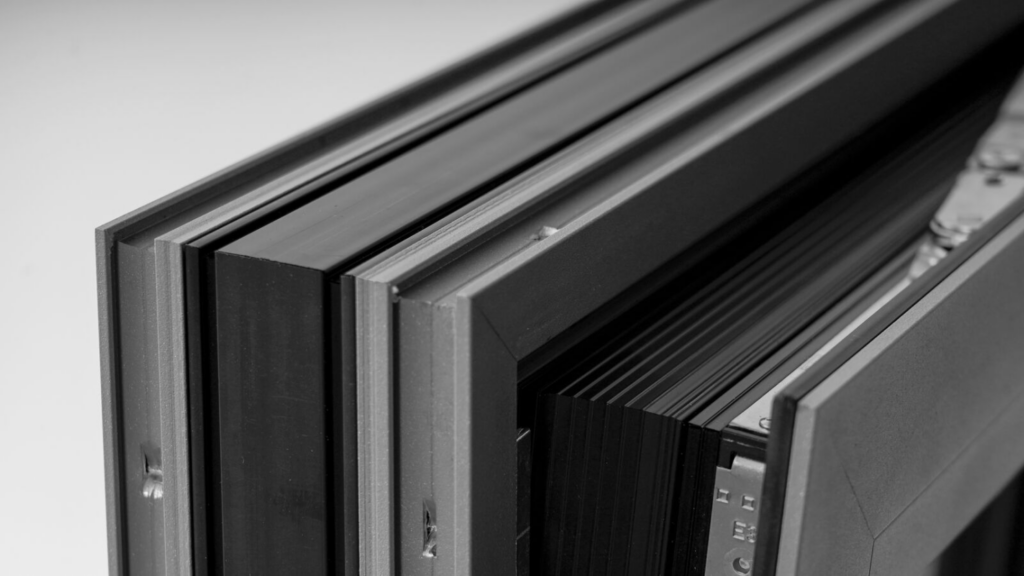
“The inception of Deceuninck Aluminium, one of the key design features was to standardise and to keep it simple,” Terry explains. “Our systems, for example, our profiles, typically sash and outer frame, you may have eight or nine profiles on a standard aluminium system, and we’ve reduced that down to three or four.”
That reduction has practical value.
A smaller profile count makes the system easier to understand, easier to stock and easier to train people on. Shared components improve familiarity and reduce the number of decisions fabricators need to make during production. For teams building confidence in aluminium, that simplicity matters.
It helps lower the barrier to entry.
Rather than asking fabricators to take on a heavily fragmented system with multiple dedicated profiles and accessories, Decalu gives them a modular platform that supports consistency across the range. The same thinking applies whether they are manufacturing windows, doors, sliding systems or other Decalu products.
That makes aluminium feel less like a separate, intimidating discipline and more like a manageable extension of the business.
For existing aluminium fabricators, the benefits are similar. Skills pressure is not limited to new entrants. Labour availability, training time and factory efficiency are challenges across the market. A simpler system helps experienced manufacturers improve productivity and reduces the dependence on highly specific system knowledge.
It also supports quality.
When fabrication teams are working with familiar components and a more logical system structure, there is less scope for mistakes. That improves consistency, reduces waste and helps protect margin by limiting rework and callbacks.
A practical route into higher-value work
The commercial opportunity is significant.
Demand for aluminium remains strong in the premium residential market, particularly for Grand Designs-style projects, larger glazed openings and higher-value specifications. Homeowners and specifiers continue to want products that combine slim sightlines, strong thermal performance and contemporary design.
For PVC-U fabricators, accessing that market can help diversify their offer and create a route into more profitable work. But it needs to be done without overcomplicating the business.
That is where Decalu’s modularity becomes central to the proposition. It allows fabricators to add aluminium in a more controlled way, building capability without adding unnecessary complexity.
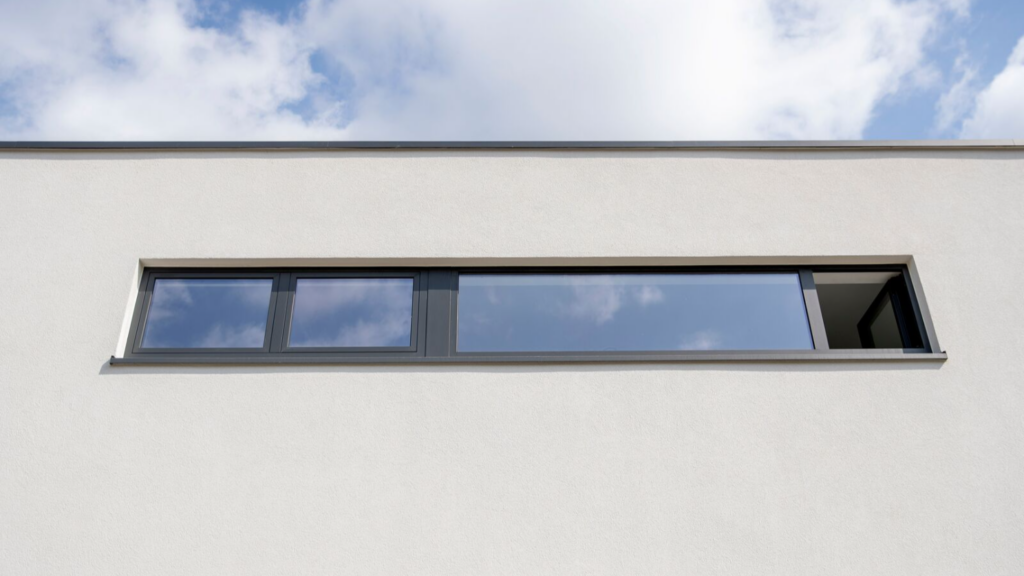
In a market where skills, confidence and operational efficiency are all under pressure, making aluminium easier to adopt is a powerful advantage.
For Deceuninck Aluminium, the message is simple. Fabricators should not be locked out of aluminium growth because the system is too complicated.
By reducing the profile count, sharing components and standardising fabrication wherever possible, Decalu helps make aluminium more accessible, more efficient and more commercially attractive.
For more information about Deceuninck’s product and service offer, please call 01249 816 969, email deceuninck.ltd@deceuninck.com, or visit www.deceuninckaluminium.co.uk.