


For aluminium fabricators, complexity can easily become accepted as part of the job.
More product options mean more profiles. More profiles mean more stock. More stock means more space, more money tied up on the racks and more pressure on the people responsible for keeping production moving.
But while complexity is often treated as unavoidable, it carries a very real commercial cost.
In a market where fabricators are already facing pressure from rising input costs, tighter margins and faster turnaround expectations, unnecessary system complexity can quietly drain profitability from the business.
It may not always appear as a single line on a spreadsheet, but it shows up in slower production, increased training requirements, more stockholding, greater risk of errors and capital sitting in material that is not moving quickly enough.
For Deceuninck Aluminium, this is exactly the problem the Decalu platform was designed to address.
Complexity carries a cost
“Most fabricators will get frustrated about the number of SKUs and the number of profiles that they have on their racks,” says Terry Ledwith-Lyons, Head of Strategic Sales at Deceuninck Aluminium. “You have some fast-moving profiles, but there are a lot of profiles there that sit there and gather dust.”
That dead stock matters. Every length of profile sitting unused is money that could be working elsewhere in the business. It takes up space, absorbs cash and adds another layer of complexity to stock control.
In a fabrication environment, simplicity is not just a production benefit. It is a commercial advantage.
Decalu has been developed around a modular system design that reduces the number of profiles and component parts required across the range. Instead of fabricators having to manage a wide spread of dedicated profiles for different products, the system uses shared components and a more streamlined profile structure.
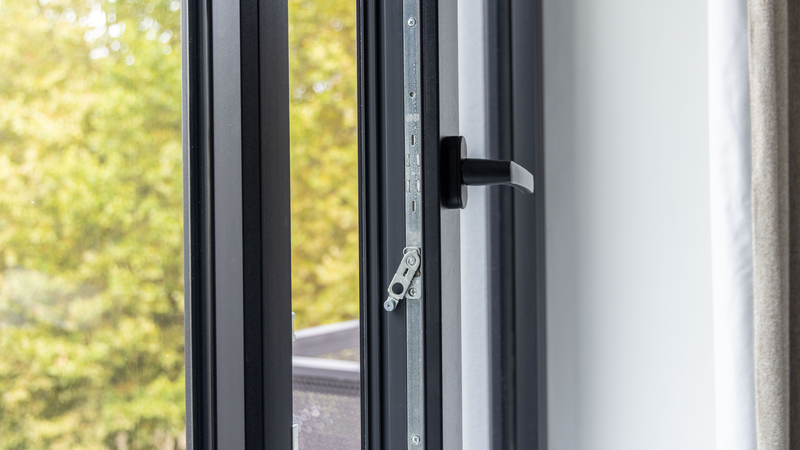
According to Terry, that can typically reduce the number of profiles fabricators need to hold by 50% or more with Deceuninck Aluminium.
“If you can reduce the number of profiles that you have on the racks, typically 50% or greater with Deceuninck Aluminium, and reduce the number of component parts in that system, then you standardise the product,” he explains.
“You have more of those profiles on the racks moving faster. So less dead stock, less money tied up.”
Simplifying the factory floor
That standardisation is important because it affects every part of the operation.
On the factory floor, fewer profiles and shared components make the system easier to understand and easier to manufacture. Teams spend less time identifying different parts, checking compatibility and managing exceptions. Training becomes simpler, especially for newer employees or fabricators moving across from PVC-U into aluminium.
For growing businesses, this matters. Adding new aluminium products should create opportunity, not slow the factory down.
A complex system can place pressure on skilled staff because more knowledge is needed to avoid mistakes. It can also make production more vulnerable to errors, particularly where similar-looking components are used across multiple products but are not interchangeable.
By simplifying the system architecture, Decalu reduces that risk. Shared components help build familiarity. A reduced profile count supports better stock control. Modular design creates more consistency across the range.
The result is a platform that helps fabricators work with greater confidence and control.
Turning efficiency into margin
This is especially valuable as aluminium continues to move into higher-value residential, heritage-inspired, large opening and architect-led projects. Fabricators need systems that allow them to access that demand without introducing unnecessary operational drag.
Decalu gives them a more practical route to growth.
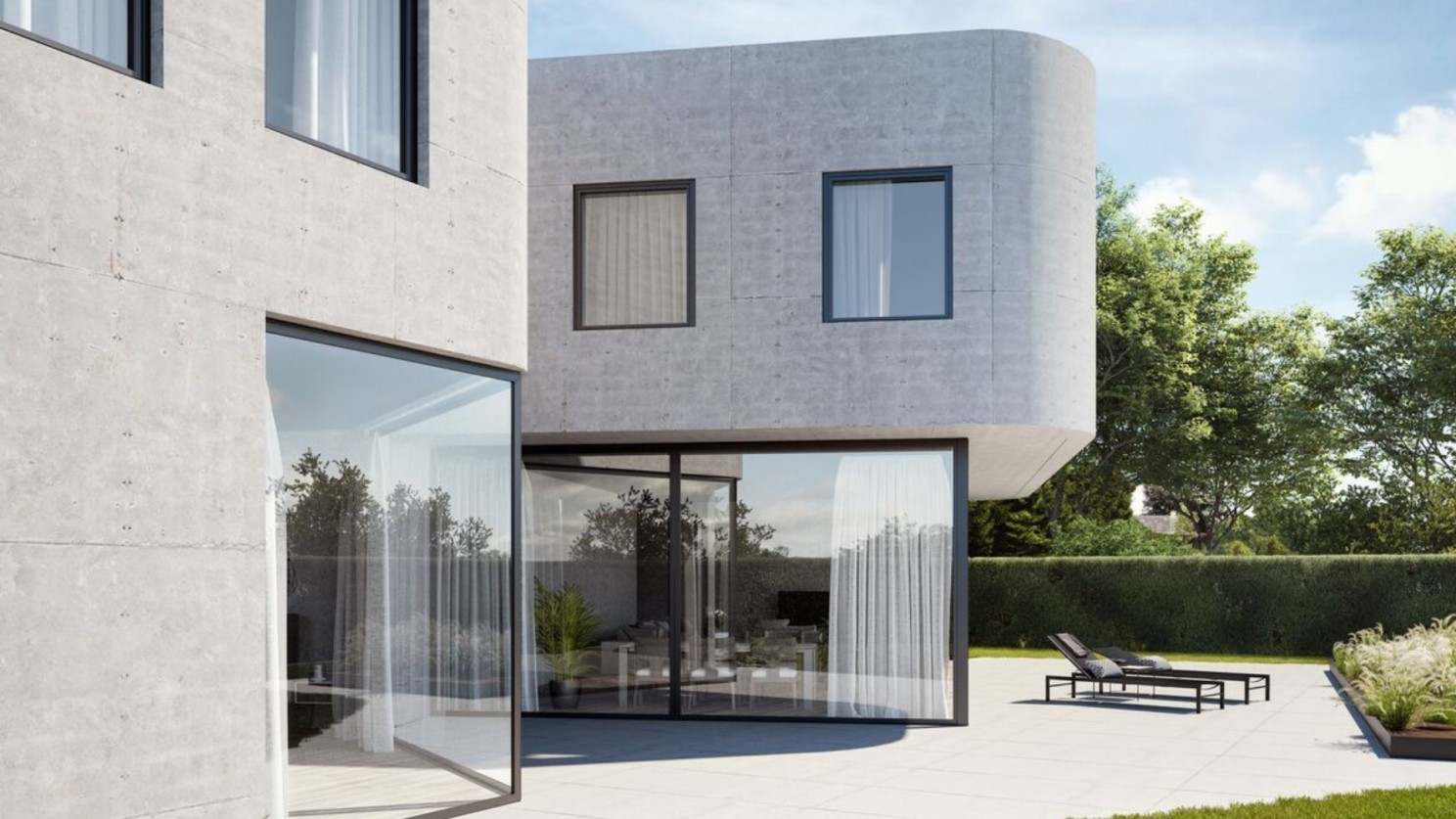
Its modular platform spans windows, doors, bi-folds, lift-and-slide and internal solutions, helping fabricators expand their aluminium offer using familiar processes and common design principles. That means businesses can take on more types of work without multiplying complexity in the background.
For Deceuninck Aluminium, the point is clear. A system should make fabrication easier, not harder. It should support efficiency, protect margin and help businesses keep money moving through the business rather than sitting on the racks.
In a competitive market, operational efficiency can make a meaningful difference.
Because the hidden cost of complexity is not just the cost of carrying stock. It is the lost time, lost space, lost confidence and lost margin that come with managing too much unnecessary variation.
For more information about Deceuninck’s product and service offer, please call 01249 816 969, email deceuninck.ltd@deceuninck.com, or visit www.deceuninckaluminium.co.uk.